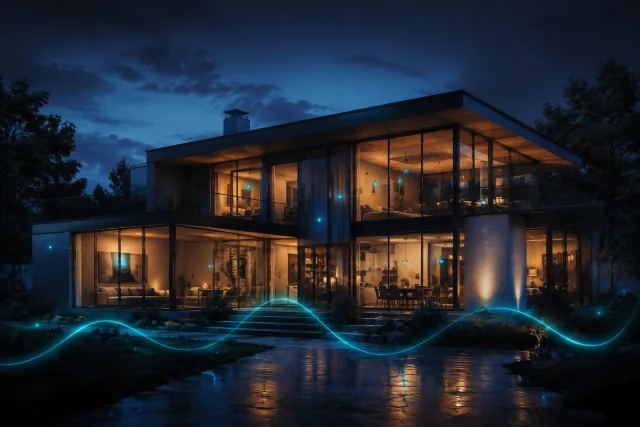
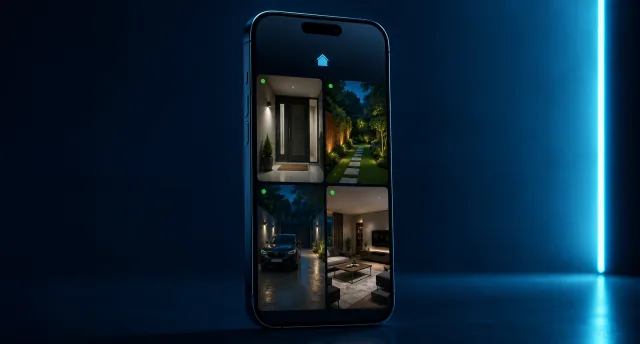
Smart home reliability monitor that continuously checks your devices so you can spot disconnects, flakiness, and weak links over time.
Repo: psykadel/HomePulse
Native macOS menu bar app that pauses Spotify when other apps start playing audio, then resumes playback when that audio stops.
Repo: psykadel/SpotifyAutopause
Create a folder in `/games/blood-stabber` and work entirely within that folder.
Act as a full-fledged game studio. Use the appropriate specialized tools rather than trying to do everything in code. Favor AI-friendly capabilities for these tools (such as MCP, API, CLI), but use [@Computer](plugin://computer-use@openai-bundled) when absolutely necessary.
Use [@Creative Production](plugin://creative-production@openai-curated-remote) for art direction, visual cohesion, creative assets, and visual polish.
Use [@Game Studio](plugin://game-studio@openai-curated-remote) for game-development skills, workflows, architecture, asset pipelines, and overall production guidance.
Use [@PlayCanvas Engine](plugin://engine@playcanvas) as the game engine and runtime. Start and use its MCP server whenever available so you can directly inspect, modify, run, and interact with the project.
Use [@Blender Agent Studio](plugin://blender-agent-studio@blender-agent-studio) for Blender modeling, asset validation, animation, characters, procedural generation, rendering, simulation, and iterative refinement. Use its Blender MCP integration whenever direct Blender interaction is appropriate.
Use [$imagegen](/Users/kristjanbackmeyer/.codex/skills/.system/imagegen/SKILL.md) for original visual asset generation, including concepts, sprites, textures, backgrounds, UI graphics, icons, and reference art.
Use [@ElevenLabs](plugin://elevenlabs@elevenlabs) for generated sound effects, ambience, background music, and audio assets. Credentials are available through the project `.env`.
Use [@Build Web Apps](plugin://build-web-apps@openai-curated-remote) when browser application architecture, frontend integration, responsive UI, or Web-specific debugging around the game is needed.
Use Aseprite through its CLI/scripting interface when precise sprite, pixel-art, sprite-sheet, or frame-animation work is needed.
Use ImageMagick through the CLI for deterministic image processing such as resizing, cropping, transparency, masks, compositing, and format conversion.
Use FFmpeg through the CLI for deterministic audio processing such as trimming, looping, normalization, compression, and format conversion.
Choose the best tool for each task, move assets between tools as needed, and treat these tools as an integrated game-development pipeline rather than isolated utilities.
Build a complete, highly polished AAA-quality 2.5D side-scrolling action-platformer called “Blood Stabber the Barbarian” that runs entirely in a modern web browser. This must feel like a real, substantial game rather than a prototype, tech demo, or thin vertical slice, with excellent controls, satisfying combat, meaningful platforming and exploration, varied encounters, environmental hazards, memorable bosses and set pieces, strong pacing, polished menus and HUD, audio, effects, animation, progression, and enough content to make the finished experience genuinely fun to play. Target 3 full levels. It must run entirely client-side with no backend and work well on desktop and mobile.
Use a true 2.5D presentation: richly modeled and animated 3D characters, creatures, props, and environments presented primarily along a side-scrolling gameplay plane, with layered depth, dramatic perspective, parallax, foreground and background activity, camera movement, lighting, particles, and occasional controlled movement through depth where it strengthens a set piece. Aim for the visual richness and production values of a modern AAA game while retaining the immediacy and readability of a great side-scrolling platformer.
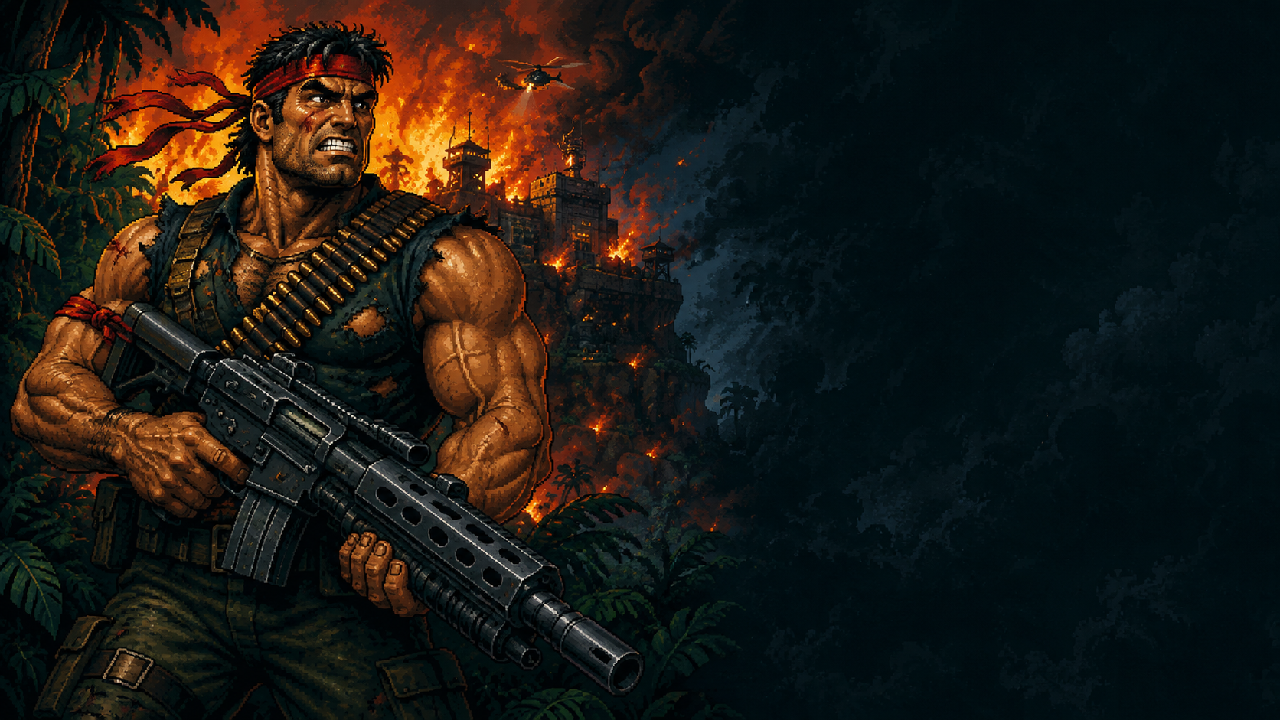
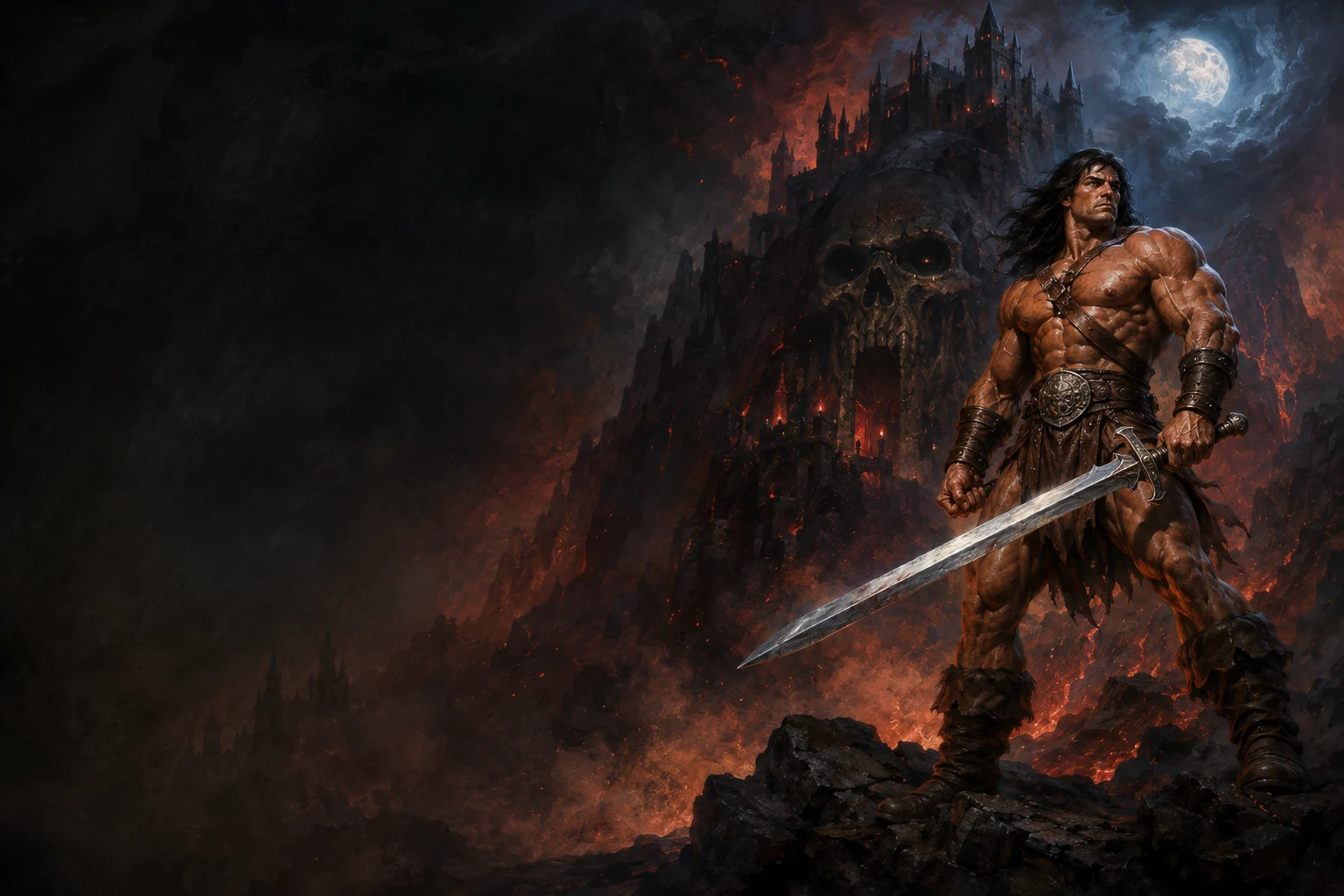
The creative identity is unapologetic 1980s B-movie sword-and-sorcery in the spirit of films such as Deathstalker. Blood Stabber should be an absurdly muscular barbarian hero moving through sinister temples, filthy frontier settlements, monster-haunted wilderness, ruined fortresses, sorcerers’ lairs, volcanic caverns, and other lurid pulp-fantasy locations. Lean into exaggerated genre tropes: impractical fantasy architecture, evil sorcerers, monstrous henchmen, leather-and-steel warriors, dangerous women and men, ancient idols, bizarre monsters, ridiculous weapons, ominous rituals, swaggering villains, and gloriously excessive action. Play the world mostly straight rather than turning it into a meme or constant joke; the humor should emerge naturally from how extravagantly committed the game is to its B-movie fantasy aesthetic. Give it strong art direction, cinematic lighting, tactile materials, dramatic silhouettes, practical-effects-inspired creatures, painted-poster color sensibilities, impactful animation, and appropriately over-the-top presentation without sacrificing visual coherence or gameplay readability.
Avoid meta-copy and prompt echoing. Do not turn instructions, goals, or adjectives from this prompt into visible titles, subtitles, labels, or descriptions. If asked to make something "amazing," "polished," or similar, demonstrate that quality through the finished work rather than stating it.
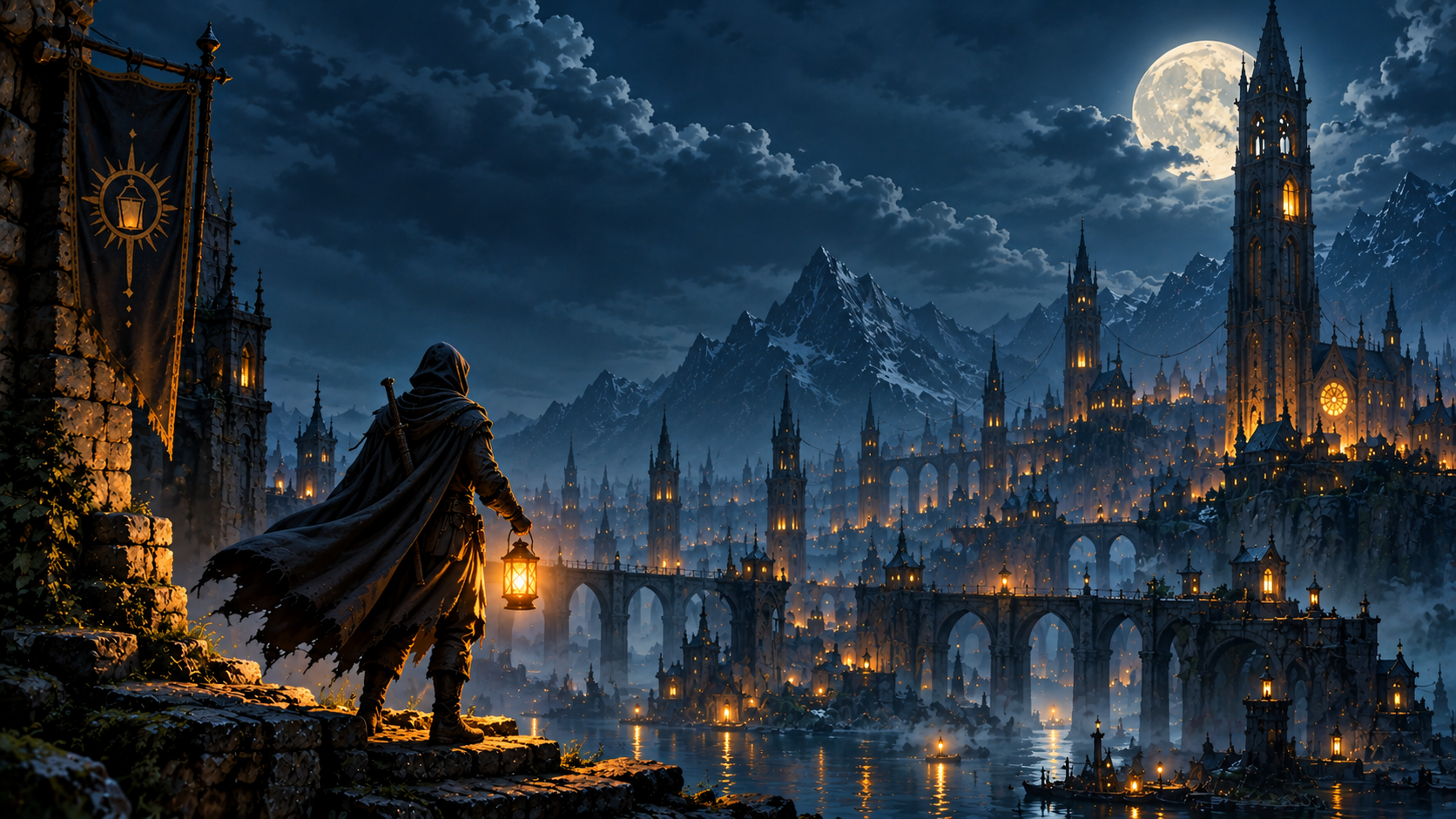
Concept art is attached for your reference.